Resources
Lessons From a Caregiver: When Preparation Becomes a Gift
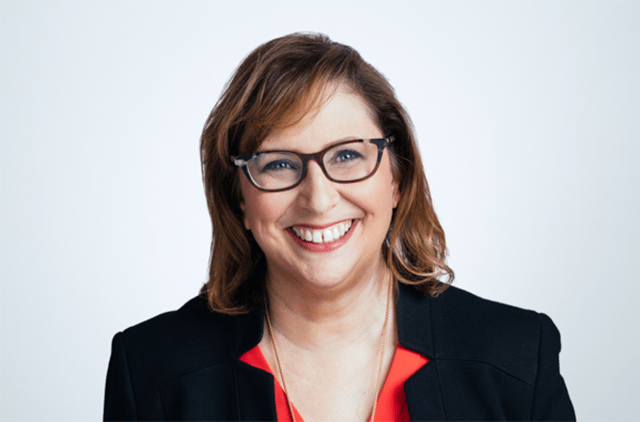
By: Amy Boulware
I have been a caregiver for thirty-four years. At different times, that meant parenting, caring for my grandmother, helping my mother through cancer, and, in the last few years, supporting my father as he aged. I am also part of the circle of support for my mother-in-law, who lives out of state.
Each of these caregiving roles has been different, and yet similar. At times, I have cared for multiple generations at once — physically present or on call for any number of emergencies, daily tasks, and decisions.
All of that changed on May 5, 2026, when my 89-year-old father passed away unexpectedly. I know it sounds strange to say that an 89-year-old passed away unexpectedly. I am not unrealistic; as my father would say, he was “closer to the end zone than most.” But the week before he died, he had attended a symphony concert, enjoyed a play at the Chattanooga Theatre Center, taken water aerobics three times, chaired the culinary committee meeting at his residence, and gone to a class on brain health. So yes, it really was unexpected.
He had adjusted well to life in an independent living senior community, and I was thankful for that. Dad taught me many things over the years, but two lessons stand out: embrace each phase of your life while you are living it, and always seek wise counsel when you need help.
To anyone who would listen, he would tell them that everyone needed an “Amy.” He was my biggest fan — and, as my co-producer in life, he may have been biased — but he did seek my counsel and trusted me when decisions needed to be made. I know how fortunate I was in this. Many people caring for aging parents or family members face resistance, not cooperation.
I want to share with you some of the things my father and I did to prepare for the time when he would pass — steps that have made this final leg of the caregiving journey so much easier for me to navigate.
- He shared all of his passwords — including access to his digital life.
This was something I had encouraged for a long time. Finally, one Sunday afternoon, we sat at the dining room table and went through the list together. In today’s world, digital assets — email, online banking, social media, photo storage — are as important to address as physical ones. - All beneficiary designations were current and accurate.
His beneficiary designations on financial accounts, life insurance policies, and investments were up to date. This is one of the most commonly overlooked details in estate planning — and one of the most consequential. - I was a signatory on his safe deposit box.
A simple step, but one that prevented delays and complications at a time when I needed neither. - His funeral plan was complete — including a cemetery plot.
Having these wishes documented and arranged in advance spared our family from making difficult decisions under emotional strain. - His estate plan was clear, current, and transparent.
Nothing in the plan was a surprise to me or to my siblings. Clarity among family members about an estate plan is as important as the plan itself. - He gave items of sentimental value before he died.
He wanted to see the people he loved enjoy the things he cherished — while he was still here to witness it.
None of these steps were complicated. None were expensive. But together, they were a profound gift — one that allowed me to grieve his loss rather than manage his affairs under duress.
If you or a loved one has been meaning to have these conversations, we encourage you not to wait. Chambliss estate planning team is here to help you put a clear, current plan in place — and to guide the conversations that make that plan work for the people you love.
Frequently Asked Questions from Family Caregivers
What documents should aging parents have in place before they pass?
At a minimum, families should review wills, powers of attorney, advance directives, beneficiary designations, and any trust documents to ensure they reflect current wishes and circumstances.
Should adult children have access to passwords and digital accounts now?
Yes, do not wait. Email accounts, online banking, social media profiles, and cloud-based photo storage often become important parts of estate administration and should be addressed as part of a comprehensive estate plan.
Are beneficiary designations more important than a will?
In many cases, beneficiary designations control who receives assets such as retirement accounts and life insurance proceeds, regardless of what a will says, making regular reviews essential.
What conversations should families have before a loved one dies?
Beyond legal documents, families should discuss funeral wishes, sentimental items, financial information, caregiving expectations, and who will be responsible for handling affairs after death.
When should families begin these conversations?
Earlier than most people think. Planning conversations are often easier and more effective when they happen during periods of health and stability rather than during a crisis.